The Art of Choosing Well: Rethinking What Luxury Really Means
Why I believe the future of fashion is less about having more, and more about knowing what deserves a place in your life.
Something interesting is happening in fashion.
The conversation around what we buy is becoming more considered.
Across fashion, I’m seeing stylists, designers, fashion professionals and consumers questioning some of the assumptions we have perhaps taken for granted for years.
Do we really need another version of something we already own? Does a recognisable name automatically make something more valuable? Is something desirable because we genuinely love it, or because we have been told that we should?
And perhaps most importantly:
What actually makes something worth buying?
For me, that question extends to something as seemingly simple as a blazer.
What makes one worth buying? Is it the label, the trend, the price, or the quality, design, provenance and feeling behind it?
That is where my thinking around luxury begins.

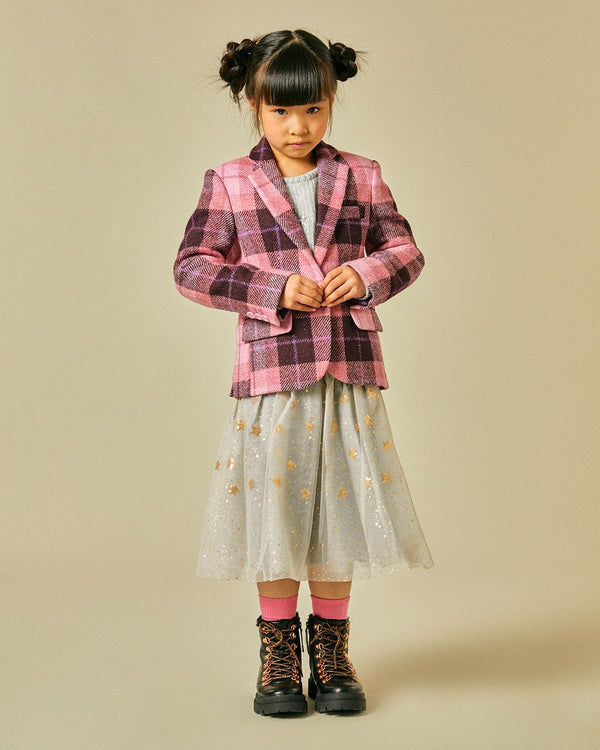
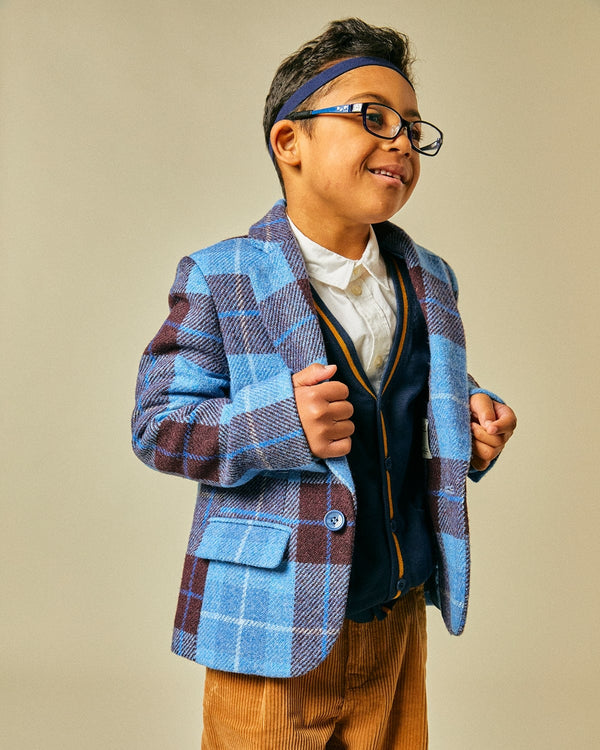
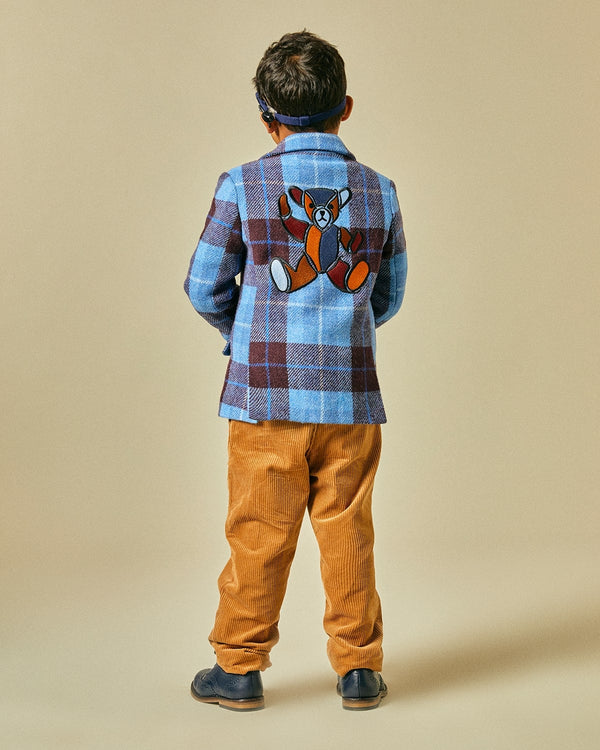
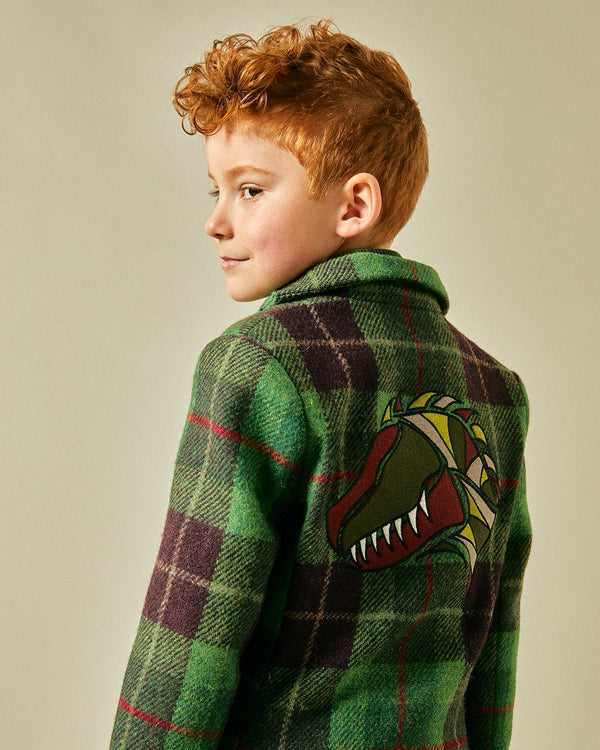
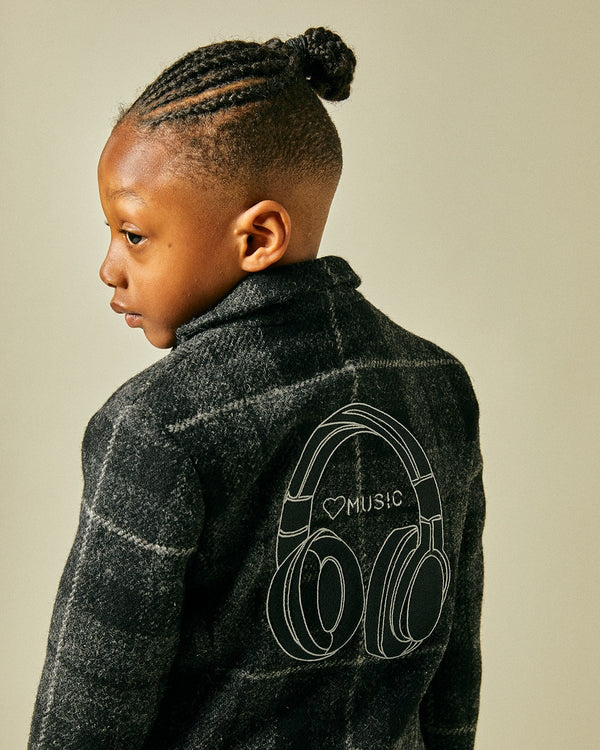
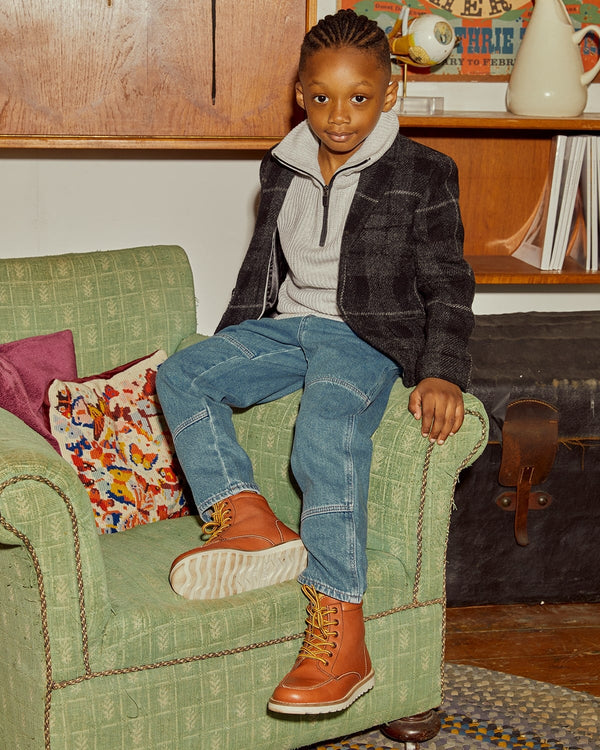
Blog imagery: A selection of images from a recent Harper’s BAZAAR editorial featuring The Little Blazer Company®. ✨
Luxury isn’t simply a price tag
Luxury is often reduced to a number.
But price is only one part of the equation.
True luxury, to me, is about the combination of material, craftsmanship, originality, provenance, scarcity, design and emotional connection.
The luxury market itself is having to reconsider this. Research from McKinsey and The Business of Fashion has highlighted growing concerns around luxury’s value proposition, with consumers increasingly questioning whether higher prices continue to be matched by exceptional quality, craftsmanship and experience.
More recent McKinsey research into luxury consumers in the US and China also points towards emotional connection becoming increasingly important to desirability, alongside the continuing importance of quality and craftsmanship.
That feels significant.
Because perhaps the future of luxury isn’t simply about owning something recognisable.
Perhaps it is about owning something meaningful.
Originality over imitation
We are living through the age of the dupe.
Social media has made it easier than ever to find a lower-priced interpretation of almost anything. Research from McKinsey and The Business of Fashion found that nearly one in three US adults had intentionally purchased a dupe of a premium or luxury product, while 11% of UK shoppers reported buying dupes at least every few months.
The conversation around this is fascinating because it raises a bigger question than simply whether a cheaper alternative looks similar.
Why do we want the thing in the first place?
Is it the shape?
The colour?
The craftsmanship?
The feeling?
The association?
Or simply the recognition?
At The Little Blazer Company®, our approach has always been to create something with its own identity.
Our blazers aren’t intended to be interpretations of another fashion house. The cloths, colours, silhouettes, details and finishing are designed to belong to TLBC.
That matters to me.
Because originality is part of luxury.

Beyond the label
Take the label away.
Would you still want it?
Would you still love the fabric? The construction? The buttons? The lining? The proportions? The way it feels when you put it on?
Would you still notice the quality if nobody knew who made it?
I think these are useful questions to ask when buying anything, particularly a luxury blazer.
A name can tell you who made something.
It doesn’t necessarily tell you why it deserves a place in your wardrobe.
Sometimes, the person who recognises the quality is the person whose opinion matters most.
Quality has two sides
When we talk about quality, we often mean physical durability.
Will it last?
Will the seams hold?
Will the fabric withstand wear?
Those things matter enormously.
But there is another kind of quality that I think is equally important:
emotional durability.
Will you still want to wear it in five years?
Will it still feel like you?
Will you reach for it again and again?
Will you look at it and remember where you wore it?
That is particularly important when creating something intended to become an heirloom.
Because an heirloom needs to survive physically, but it also needs to remain desirable emotionally.
Luxury doesn’t have to whisper.
It simply has to have something worth saying.

The return of provenance
I think we are going to see provenance become increasingly important in fashion.
Where was it made?
Who made it?
What is it made from?
Where did that material come from?
How was it produced?
What is the story behind it?
These questions are not simply marketing details.
With genuine Harris Tweed®, provenance is part of the definition of the cloth itself.
By law, Harris Tweed® must be made from 100% pure new wool that is dyed and spun in the Outer Hebrides and handwoven by islanders in their own homes there. The Orb Certification Mark is the registered mark of authenticity.
That is an extraordinary level of provenance.
And it is one of the reasons I love working with it.
The story isn’t added afterwards.
It is inherent in the material itself.
Why material still matters
I don’t believe every conversation about fashion needs to become a simple argument between one fibre and another.
The more interesting question is whether we are being intentional about the materials we choose.
Does the material have integrity?
Does it have character?
Does it suit the purpose?
Does it contribute to the longevity of the garment?
Our Harris Tweed® is made from 100% pure new wool, with its distinctive depth of colour and texture created through the traditional blending of dyed wool. The cloth is handwoven on the islands, with skills that take months to learn and years to master.
For me, that makes a tweed blazer something rather different from simply another seasonal fashion purchase.
And for someone like me, searching for a women’s tweed blazer, the same principle applies: the value shouldn’t simply be in how it looks on the day you buy it, but in the material, construction, provenance and longevity behind it.
It becomes a piece with substance, literally and figuratively.

The second life of a garment
There is another question I think we should ask ourselves when buying clothes:
Could someone still want this after me?
The resale market is growing rapidly. The Ellen MacArthur Foundation reported that the global resale market grew eight times faster than the broader clothing retail sector in 2024.
That shift tells us something.
People are beginning to think differently about the lifespan of clothing.
An heirloom isn’t simply something that survives.
It is something that retains enough quality, relevance and emotional value for someone else to want it.
That is a very different measure of success.
Why I created heirloom blazers for both children and adults
This philosophy is also why I create heirloom blazers.
I didn’t want to create something that was simply bought for one occasion, worn once and forgotten.
I wanted to create something that felt special when a child wore it, but that could also become part of their memories.
A blazer for a birthday.
A wedding.
A special family photograph.
A celebration.
A milestone.
Something colourful and joyful, but beautifully made enough to be kept.
And perhaps, one day, passed on.
Because I think the ultimate test of an heirloom isn’t simply whether it survives.
It’s whether someone wants to inherit it.

British heritage, reimagined in colour
The Little Blazer Company® is based in Wales.
I was born and raised here too, and being Welsh is an important part of how I see design, colour and identity.
Our blazers are handcrafted end-to-end in London.
Our Harris Tweed® cloth begins its journey in the Outer Hebrides.
Three very different places.
Three parts of the story.
And together they represent something I care deeply about:
British heritage doesn’t have to mean beige.
Heritage can be bold.
It can be colourful.
It can be joyful.
It can have personality.
It can be reimagined rather than simply repeated.
That is why our collection isn’t built around quiet uniformity.
Colour is central to what we do.
So is character.
So is comfort.
Colour • Character • Comfort.

For those who curate rather than consume
I don’t think the answer to all of this is to stop enjoying fashion.
Quite the opposite.
Fashion is wonderful.
Clothes can transform how we feel. They can tell stories, create memories and allow us to express parts of ourselves without saying a word.
But perhaps the opportunity is to become more curious about what we buy.
More demanding about quality.
More interested in provenance.
More confident in developing our own eye.
And perhaps a little less concerned with whether everyone else recognises what we are wearing.
Before buying something, perhaps ask:
Why do I want this?
Because everyone else has it?
Because an algorithm showed it to me repeatedly?
Because of the label?
Or because I genuinely love it?
Because it feels like me?
Because the quality is exceptional?
Because I understand how and where it was made?
Because I know I will wear it again and again?
Because I can imagine still loving it years from now?
Perhaps even because I can imagine someone else loving it after me.
That, to me, is the art of choosing well.
And it is ultimately the philosophy behind The Little Blazer Company®.
Not simply making another blazer.
But creating original, distinctive pieces with a story, made with materials and craftsmanship worth knowing about, designed to be worn now and treasured later.
For those who curate rather than consume.
Original design. Distinctive cloth. British craftsmanship. Colour, character and comfort.
Pieces to love now.
Pieces to treasure later.
And, hopefully, pieces worth inheriting.
The Little Blazer Company®
Colour • Character • Comfort
Discover our collections today - https://www.thelittleblazercompany.com